The best drinks to lower blood sugar are not the ones being marketed to you. I spent a significant amount of time reading about green tea extracts, specialty waters, and expensive wellness drinks before I realized the most effective options were already in my kitchen. I was overcomplicating something that did not need to be complicated — and in doing so, I was missing the basics that were actually moving my numbers.
What you drink matters more than most people realize. Not because beverages are magic, but because the wrong drinks actively raise blood sugar — and replacing them with the right ones removes a constant source of glucose spikes from your day without requiring any willpower at all. It is one of the easier changes to make, which is why I wish someone had told me about it earlier.
Here is what I actually found — after testing different drinks over several months and paying attention to how each one affected how I felt and how my numbers tracked.
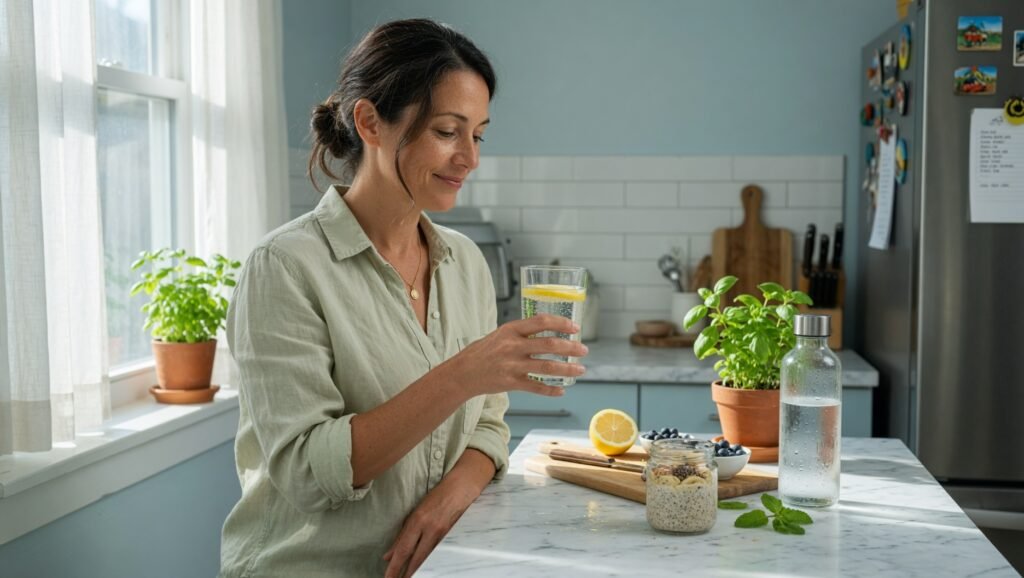
Why What You Drink Affects Blood Sugar More Than You Think
Liquids absorb faster than solids. There is no chewing, no structural fiber to slow things down, no fat or protein alongside to buffer the absorption. When you drink something containing sugar or carbohydrates, it hits your bloodstream faster than almost anything you eat. This is why drinks are responsible for some of the most dramatic blood sugar spikes — and also why switching the wrong drinks for the right ones can produce noticeable results quickly.
The drinks most people think are fine — fruit juice, flavored water, sports drinks, sweetened coffee — are often doing more damage than the food they eat alongside them. A glass of orange juice contains as much sugar as a can of soda, with the fiber removed. A flavored sparkling water can contain 15 grams of added sugar hidden under a health-sounding name. Even the oat milk latte that feels virtuous can contain 20 grams of carbohydrates before the syrup is added.
Removing these drinks from daily routine is the first step. Finding the best drinks to lower blood sugar — or at least drinks that do not actively raise it — is the second. Both matter, and neither requires spending money on specialty products.
Water — The Most Underrated Option
Plain water is the single most effective thing you can drink for blood sugar management. Not because it lowers blood sugar directly, but because dehydration raises blood sugar — and most people managing blood sugar are chronically mildly dehydrated without knowing it. High blood sugar pulls water from cells through osmosis, the kidneys work harder to filter excess glucose, and fluid loss accelerates. Drinking enough water consistently interrupts this cycle.
I tracked my water intake for two weeks and found a consistent pattern: on days when I drank less than two liters, my afternoon numbers were higher and my energy was worse. On days when I drank more, the numbers were more stable. It is not a dramatic effect. But it is real, it is free, and it requires zero effort beyond keeping a glass visible on your desk.
Adding lemon or cucumber to water does not dramatically change its blood sugar impact, but it makes it easier to drink more of it — which is the actual goal. Cold sparkling water with a slice of lemon has replaced juice completely in my mornings. It scratches the same itch without the 25 grams of sugar.
Green Tea — The One With Actual Research Behind It
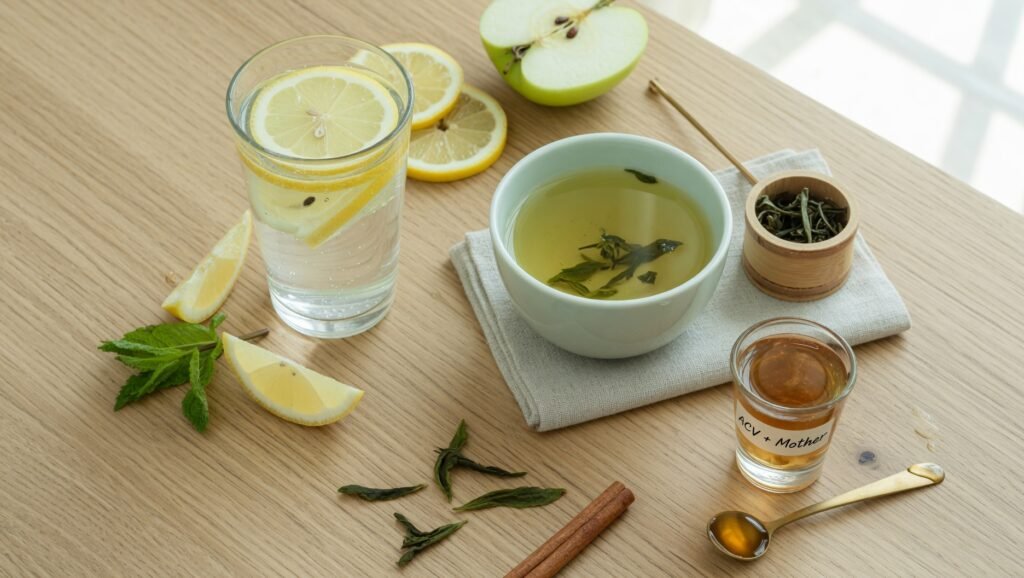
Among the best drinks to lower blood sugar that have genuine research support, green tea is the most studied. Multiple trials have shown that regular consumption of unsweetened green tea is associated with improved insulin sensitivity and lower fasting blood sugar over time. The active compound is EGCG — epigallocatechin gallate — a catechin that appears to influence how cells respond to insulin.
The effect is not dramatic from a single cup. It is cumulative. People who drink green tea regularly over weeks and months see modest but consistent improvements in glucose metabolism. I drink two cups most days — one in the morning and one mid-afternoon when I used to reach for something sweeter. The mid-afternoon cup specifically replaced a habit that was not helping me.
And honestly, the research on green tea and blood sugar is more consistent than most supplement research I have read. It is not magic. But it is real, it is inexpensive, and it has no downside beyond the caffeine — which is lower in green tea than in coffee anyway. Unsweetened is non-negotiable though. Green tea with honey or syrup is not one of the best drinks to lower blood sugar. It is just tea-flavored sugar water.

Cinnamon Tea and Apple Cider Vinegar Drinks
Cinnamon has genuine research support for blood sugar management — it appears to improve insulin sensitivity and slow gastric emptying, which reduces post-meal spikes. As covered in the piece on whether cinnamon is good for blood sugar, the evidence is modest but consistent. Brewing actual cinnamon sticks in hot water — not cinnamon-flavored herbal tea, but real cinnamon — gives you a warm drink that does something useful. I make it most mornings in winter when I want something other than green tea.
Apple cider vinegar diluted in water is one of the more studied options for post-meal blood sugar management. The acetic acid in vinegar slows the breakdown of starches and reduces the rate at which glucose enters the bloodstream after a carbohydrate-heavy meal. One to two tablespoons in a large glass of water, drunk before or during a meal, consistently shows modest reductions in post-meal glucose in the studies I have read.
I tried this for six weeks. The taste is genuinely unpleasant for the first few days. You adapt. And the effect on my post-lunch numbers was noticeable enough that I kept the habit. It is not a replacement for eating well — nothing is — but as one tool alongside others, it earns its place on the list of best drinks to lower blood sugar after meals specifically.
Coffee — More Complicated Than It Seems
Coffee is interesting because the research on it and blood sugar is genuinely mixed, and I have experienced both sides of that personally. Black coffee slightly raises cortisol, which can push blood sugar up modestly on its own. But long-term, regular coffee consumption is associated with lower risk of type 2 diabetes in multiple large studies. The polyphenols in coffee appear to improve insulin sensitivity over time.
The practical reality is that black coffee or coffee with a small amount of full-fat cream is not a problem for most people managing blood sugar. What is a problem is sweetened coffee — the café drinks with flavored syrups, the bottled cold brews with added sugar, the oat milk varieties that contain 25 grams of carbohydrates per cup. Those are not coffee with blood sugar benefits. Those are desserts that happen to contain caffeine.
I drink coffee with a small amount of cream most mornings. I do not add sugar or flavoring. I do not drink it on a completely empty stomach if I can avoid it — that is when the cortisol effect is most pronounced. Black coffee as one of the best drinks to lower blood sugar is an overstatement. But black coffee as a daily habit that does not actively harm blood sugar management — that is accurate.
What you drink every day shapes your blood sugar as much as what you eat. The best drinks to lower blood sugar are often already available — just without the sugar.
Learn More About Sugar Defender 24 →
The Drinks That Are Quietly Raising Your Blood Sugar
I want to spend time on this because the damage from the wrong drinks is often invisible. People focus on food and overlook what they are drinking — and the blood sugar impact of common beverages is genuinely underestimated.
Fruit juice is the most common offender. A glass of orange juice, apple juice, or grape juice contains 25 to 40 grams of sugar with minimal fiber. The foods that raise blood sugar fastest include juice because liquid carbohydrates absorb faster than solid ones. I stopped drinking juice entirely and the change in my morning numbers was one of the most noticeable single improvements I made.
Sports drinks and energy drinks are next. Most contain between 25 and 50 grams of sugar per bottle. Even the ones marketed as “low sugar” or “natural” often contain glucose, fructose, or maltodextrin that behave identically to refined sugar in the bloodstream. These are not recovery drinks for people managing blood sugar. They are blood sugar spikes in a bottle.
Sweetened plant milks — particularly oat milk — have a higher glycemic impact than most people expect. Oat milk is essentially liquid oatmeal with added sugar in many commercial versions. Almond milk unsweetened is a much lower-impact alternative. Soy milk unsweetened is also reasonable. But oat milk marketed as a health product deserves scrutiny before it becomes a daily habit alongside the best drinks to lower blood sugar you are actually trying to prioritize.
What I Drink Every Day Now — and What Changed
My current daily pattern is simple. Water through most of the day — two to three liters. Green tea in the morning and mid-afternoon. Coffee with cream once in the morning, not on an empty stomach. Apple cider vinegar in water before lunch most days. Sparkling water with lemon in the evening when I want something that feels like a drink but is not going to affect my numbers before bed.
That is it. No expensive supplements in drink form. No specialty products. Nothing that requires a subscription or a trip to a health food store. The most meaningful change was removing juice, sweetened coffee drinks, and sports drinks from my regular rotation — and that removal alone moved my morning fasting numbers more than any addition did.
Something that helped me manage the overall blood sugar picture alongside these drink changes was Sugar Defender 24. The ingredients — particularly berberine and chromium — support the same glucose metabolism mechanisms that the best drinks to lower blood sugar are working on through different pathways. I noticed my post-meal variability reduced after a few weeks of consistent use. The drinks and the supplement were not competing — they were working on the same problem from different angles.
Practical Tips for Making the Switch
The hardest part of changing what you drink is habit, not willpower. Most people drink the same things every day without thinking about it. Juice with breakfast because that is what has always been there. Sweet coffee because that is how it was ordered for years. Sports drinks because they taste good after exercise. Breaking these patterns requires replacing them, not just eliminating them.
Replace juice with sparkling water and lemon. The carbonation and citrus hit a similar sensory note without the sugar. Replace sweetened coffee with the same coffee plus cream and no syrup — the taste difference is smaller than you expect after a few days. Replace sports drinks with electrolyte water — plain water with a pinch of salt and a squeeze of lime achieves a similar hydration effect without the glucose load.
Keep the best drinks to lower blood sugar visible and convenient. If green tea requires effort, you will not drink it when you are tired. I keep a box on my desk. I fill a water bottle before I sit down to work. The habit works because the friction is low — the right choice is the easy choice. And understanding how to lower blood sugar naturally across the full day makes the drink choices feel like part of a bigger strategy rather than an isolated sacrifice.
The Honest Summary
The best drinks to lower blood sugar are not exotic or expensive. Water, unsweetened green tea, cinnamon tea, and diluted apple cider vinegar before meals cover most of what the research supports. Black coffee or coffee with cream belongs on the list for most people. What matters equally — or possibly more — is removing the drinks that are actively raising blood sugar: juice, sweetened plant milks, flavored coffees, sports drinks, and anything with added sugar regardless of how healthy its packaging looks.
The changes I made to what I drink were among the easiest I made for blood sugar management — easier than changing what I ate, easier than building exercise habits. They required no cooking, no preparation, and no complicated rules. They just required paying attention to what I was putting in my body between meals, which turned out to be more important than I had assumed.
If you are looking at the full picture, the warning signs of high blood sugar and the right breakfast choices work alongside drink changes to give you a complete approach to the first half of the day — which is where most blood sugar variability actually happens.
Also Recommended: Support Your Health Naturally
Many people looking to manage blood sugar also love the Medicinal Garden Kit — a collection of powerful healing plants you can grow at home for natural wellness support.