How to know if your blood sugar is high without a monitor is something I wish someone had explained to me years earlier. I did not own a glucometer for the first two years of managing my blood sugar. I had symptoms I could not explain, patterns I could not understand, and no way to connect what I was feeling to what was actually happening in my bloodstream. By the time I finally got tested, things had been going wrong for a long time without me realizing it.
The body communicates elevated blood sugar through a surprisingly consistent set of signals. They are easy to miss individually — any one of them could be explained away by stress, poor sleep, or just a bad day. But when several of them appear together in a predictable pattern, they are telling you something specific. Learning to read that pattern is one of the most useful things I have done for my health.
Here is what I learned about how to know if your blood sugar is high — without needing a single piece of equipment.

Why the Body Signals High Blood Sugar
When blood sugar rises above normal levels, the body initiates several responses to try to manage the excess glucose. The kidneys work harder to filter it out. Cells that are resistant to insulin leave glucose circulating in the bloodstream rather than absorbing it. The brain, sensing something is wrong, triggers thirst and other signals designed to dilute and flush the excess.
These responses produce physical symptoms — and those symptoms are how to know if your blood sugar is high when you do not have a monitor nearby. They are not random. They follow a logic that, once understood, makes them readable in real time. Most people dismiss them as unrelated complaints. They are not unrelated. They are a coordinated alarm system.
The challenge is that high blood sugar symptoms develop gradually when the elevation is chronic rather than sudden. A dramatic spike after a single meal produces noticeable symptoms quickly. But blood sugar that creeps upward over weeks or months produces symptoms so slowly that they feel like the new normal — fatigue that has always been there, thirst that seems ordinary, vision that has just gotten slightly worse. Understanding how to know if your blood sugar is high means recognizing these gradual signals before they have been normalized.
The Most Reliable Signs Your Blood Sugar Is High
Excessive thirst is the symptom most consistently associated with high blood sugar, and for good reason. When glucose is elevated, the kidneys pull water from tissues to help dilute and excrete it. This creates genuine cellular dehydration — a thirst that water does not fully satisfy, that returns quickly after drinking, and that feels different from ordinary thirst after exercise or heat. I described it to my doctor once as feeling like I was thirsty from the inside. She knew exactly what I meant.
Frequent urination follows directly from the thirst response. The kidneys are producing more urine to excrete glucose, which requires more fluid, which triggers more thirst, which leads to more urination. This cycle — polydipsia and polyuria in clinical terms — is one of the classic signs of hyperglycemia and one of the clearest ways of how to know if your blood sugar is high without any equipment. Waking up multiple times at night to urinate, when this was not previously a pattern, is particularly significant.
Fatigue that does not improve with rest is another consistent signal. As covered in the piece on whether diabetes causes fatigue and dizziness, high blood sugar creates a paradox where plenty of glucose is circulating but cells cannot access it efficiently. The result is cellular energy deficiency despite adequate food intake. You eat, you feel full, and you are still exhausted. Sleep does not fix it because the problem is not sleep deprivation — it is metabolic.

The Subtler Signs Most People Miss
Blurred vision is one of the most underrecognized signs of high blood sugar, and it was one of mine. Elevated glucose causes the lens of the eye to swell slightly as fluid shifts in response to osmotic pressure. This changes the focal length of the lens and produces temporary blurring — particularly noticeable when switching between near and distant focus. I assumed I needed new glasses for almost six months. I did not need new glasses. I needed to lower my blood sugar.
Slow healing is another subtle but consistent signal. High blood sugar impairs circulation and immune function, both of which are necessary for wound healing. Small cuts that take two weeks to heal. Bruises that linger. Infections that recur. These are not dramatic symptoms on their own, but as part of a pattern alongside other signals, they are meaningful. The body is telling you that its repair systems are compromised.
Headaches — particularly in the morning before eating or in the early afternoon — can indicate blood sugar dysregulation. Headaches upon waking often reflect the dawn phenomenon: a hormone-driven rise in blood sugar that happens before waking and produces inflammation-related head pain. Afternoon headaches often follow post-meal spikes and the crashes that come after them. Neither pattern is random, and both are part of how to know if your blood sugar is high across the course of a day.
Tingling or numbness in the hands and feet — peripheral neuropathy in its early stages — is a sign that elevated blood sugar has been affecting nerve function for some time. This is not a symptom of acute high blood sugar. It develops over months or years of chronic elevation. If this is present, it is a signal that blood sugar has been elevated for longer than the other symptoms might suggest, and it deserves prompt medical attention alongside whatever lifestyle changes you are considering.
The Pattern Is More Informative Than Any Single Symptom
How to know if your blood sugar is high without a monitor comes down to recognizing the pattern rather than reacting to individual symptoms. Any one of these signals has multiple possible causes. Fatigue could be poor sleep. Thirst could be exercise. Blurred vision could be eye strain. But fatigue plus thirst plus frequent urination plus afternoon headaches appearing together, consistently, over weeks — that is a pattern that points specifically at blood sugar.
The timing pattern also matters. Symptoms that appear predictably one to two hours after eating — particularly after carbohydrate-heavy meals — are strongly suggestive of post-meal blood sugar spikes. Symptoms that are worst in the morning before eating suggest the dawn phenomenon or elevated fasting glucose. Symptoms that appear mid-afternoon after lunch suggest a post-lunch crash following a spike. These patterns are diagnostic even without a monitor.
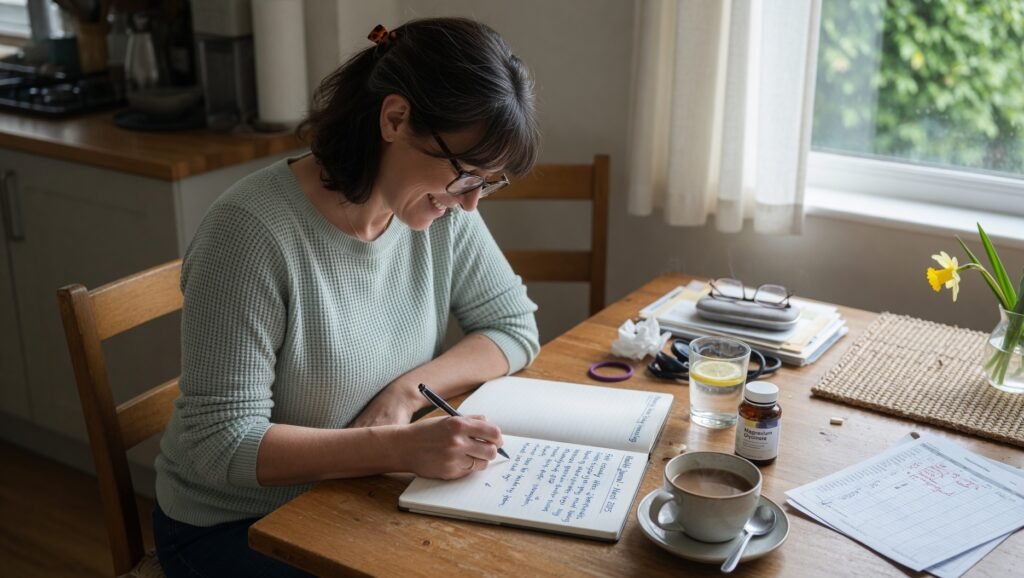
I kept a symptom journal for three weeks before I owned a monitor. I noted when fatigue, headaches, and thirst appeared and what I had eaten in the preceding two hours. The pattern became unmistakable within the first week. The connection between what I was eating and how I was feeling was more visible on paper than it had ever been in my head. That journal was more informative than I expected — and it gave me something concrete to bring to my doctor when I finally made the appointment.
Your body has been sending signals about your blood sugar for longer than you realize. Learning to read them changes everything.
Learn More About Sugar Defender 24 →
What to Do When You Recognize the Signs
Recognizing how to know if your blood sugar is high is the first step. Knowing what to do about it is the second. If you are experiencing several of these symptoms consistently, the most important thing is to get tested — a fasting glucose test and an HbA1c from your doctor gives you the actual numbers and tells you where you stand. As explained in the piece on HbA1c versus blood sugar, these two tests measure different things and both are worth having.
While waiting for a test or alongside getting one, the immediate changes that move blood sugar most quickly are dietary. Removing juice, sweetened drinks, and processed carbohydrates from daily routine reduces the glucose load the body has to manage. Changing breakfast — moving from carbohydrate-heavy morning meals toward protein and fat — reduces the post-breakfast spike that sets the metabolic tone for the rest of the day. The foods that raise blood sugar fastest are often the ones that feel most normal because they have been eaten for years.
Walking after meals — even ten minutes — helps muscles absorb glucose and reduces post-meal spikes measurably. Drinking more water helps the kidneys manage excess glucose more efficiently. These are not complex interventions. They are accessible to anyone experiencing symptoms right now, before a single test has been run.
What Helped Me Beyond the Basics
Once I had identified the pattern and made the initial dietary changes, I was seeing improvement but still experiencing more variability than I wanted. I started looking at what the research supported for blood sugar metabolism beyond diet alone — and that is how I found Sugar Defender 24. The combination of berberine, chromium, and cinnamon extract targets the mechanisms that regulate how glucose is processed after eating. After a few weeks of consistent use alongside the lifestyle changes I had already made, the afternoon symptoms that had been most persistent — the headaches, the fatigue, the difficulty concentrating — became significantly less frequent.
It did not replace the dietary changes. Nothing does. But it addressed something the food changes alone had not fully resolved, and the combination moved things in a direction that felt genuinely different from where I had been.
When to Stop Guessing and Get Tested
Knowing how to know if your blood sugar is high without a monitor is useful. But it has limits. Symptoms are suggestive, not diagnostic. The patterns described here point strongly toward blood sugar issues — but they can overlap with other conditions, and the specific numbers matter for decisions about medication, monitoring frequency, and how aggressively to intervene.
If you are experiencing multiple symptoms from this list consistently over several weeks, get tested. A basic metabolic panel or a dedicated fasting glucose plus HbA1c is inexpensive and gives you information that symptoms alone cannot. The warning signs of high blood sugar that most people ignore are exactly these symptoms — and the reason they are ignored is that they feel too ordinary to justify a doctor visit. They do justify it. They always did.
I delayed my first test for almost a year after symptoms started because nothing felt urgent enough. Looking back, that delay did not help me. The earlier the intervention, the more reversible the trajectory — as explored in the piece on whether type 2 diabetes can be reversed. The window for the most significant improvement is widest early. Recognizing the signs and acting on them is the whole point of learning them in the first place.
Also Recommended: Support Your Health Naturally
Many people looking to manage blood sugar also love the Medicinal Garden Kit — a collection of powerful healing plants you can grow at home for natural wellness support.