I almost laughed the first time someone told me cinnamon could help with blood sugar. It felt like the kind of advice you get from a well-meaning aunt who also thinks apple cider vinegar cures everything. I smiled, nodded, and moved on.
That was two years ago. And I was wrong to dismiss it so fast.
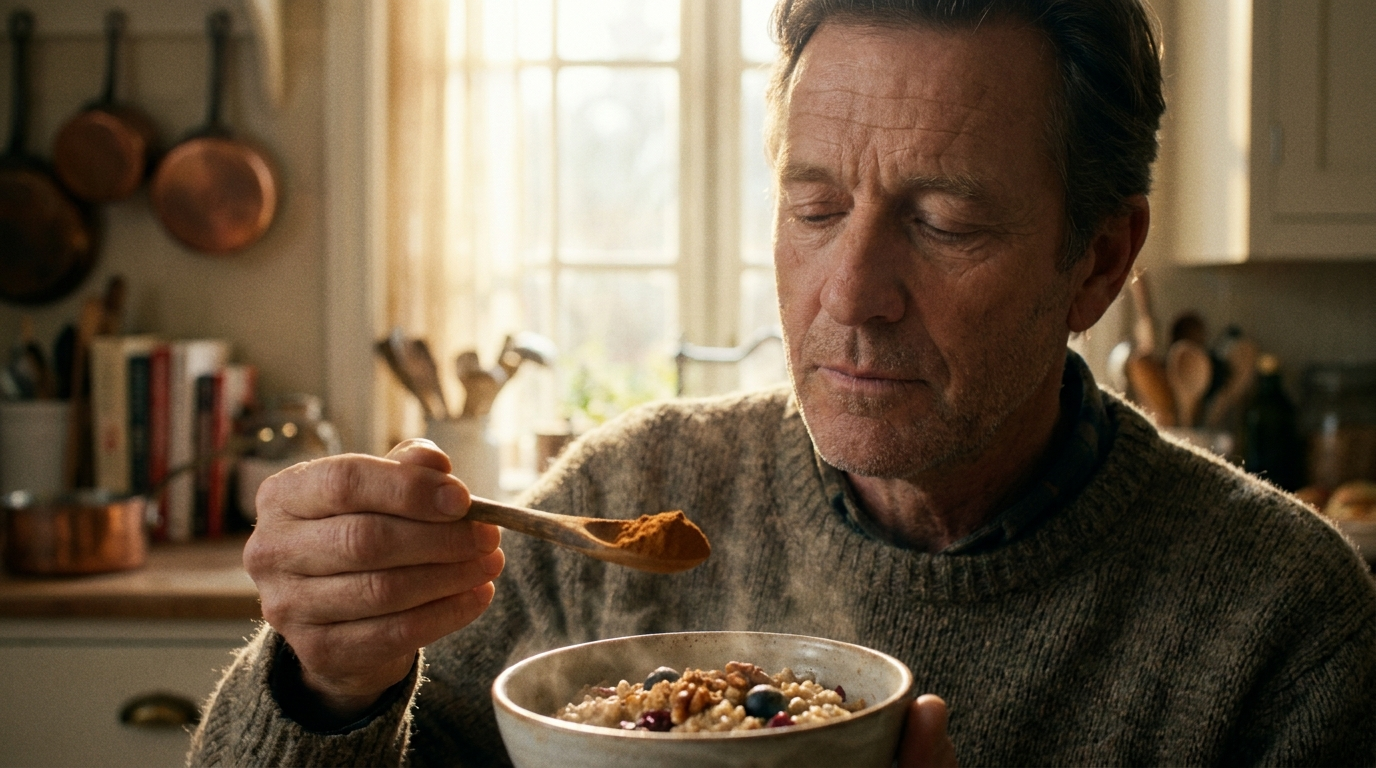
I am not saying cinnamon is a miracle. It is not. Nothing in the blood sugar world is a miracle — and anyone telling you otherwise is trying to sell you something. But after months of actually paying attention, tracking my levels, and reading more than I ever wanted to about this particular spice, I have a much more nuanced view.
Because there is a lot of noise out there about cinnamon blood sugar research. Some people swear by it. Some researchers say the evidence is weak. Some articles contradict each other completely. So let me tell you what I actually found — in my own experience and in the research I dug through.
Why I Even Started Paying Attention to Cinnamon
My blood sugar had been creeping up for a while. Not diabetic, but that uncomfortable zone where your doctor says “let’s keep an eye on this” and you walk out of the office feeling vaguely worried but without a clear plan.
I had already changed a lot of things. I was eating better. Moving more. I had cut out most of the obvious culprits — the afternoon cookies, the sugary drinks, the white bread I genuinely loved. And things had improved. But I kept reading about people who were doing everything right and still struggling with spikes, especially after meals.
A friend mentioned she had been adding cinnamon to her coffee every morning and noticed her post-meal cravings had calmed down. She was not making a big claim. She just mentioned it casually. But I started wondering if there was something real behind it. So I decided to actually look into it instead of dismissing it again.
If you are just starting to figure out what actually moves the needle, I wrote about the most important habits I changed in How to Lower Blood Sugar Naturally — that one is worth reading alongside this.
What the Research Actually Says About Cinnamon Blood Sugar
Here is the honest version. The research on cinnamon and blood sugar is real, but it is also mixed. I want to be clear about that because oversimplifying it would not help anyone.
Several studies have found that cinnamon can improve insulin sensitivity. Insulin is the hormone your body uses to move glucose from your blood into your cells. When your cells stop responding well to insulin — which is what happens in type 2 diabetes and prediabetes — glucose builds up in your blood instead of being used for energy. Cinnamon appears to help your cells respond better to insulin signals. Not dramatically, but measurably in some people.
One compound in cinnamon called cinnamaldehyde seems to be the main player here. It activates certain receptors in your cells that mimic insulin activity. Which sounds impressive — and it is, in a limited way. But we are not talking about a drug-level intervention. We are talking about a supportive nudge.
Some studies also found that cinnamon slows the rate at which food leaves your stomach, which means glucose enters your bloodstream more slowly after a meal. Slower glucose absorption means smaller blood sugar spikes. That part makes a lot of mechanical sense. But not all studies show significant effects, and the type of cinnamon matters enormously.
The Type of Cinnamon That Actually Helps Blood Sugar
The cinnamon most people buy — the cheap stuff at the grocery store — is almost certainly Cassia cinnamon. It contains significant amounts of a compound called coumarin. In large quantities over long periods, coumarin can be hard on your liver.
Ceylon cinnamon — sometimes called true cinnamon — has very low coumarin content. It is slightly milder in flavor, a bit sweeter, and more expensive. But if you are using cinnamon consistently to support blood sugar, Ceylon is the one to use. It costs about twice as much as regular cinnamon. I thought it was worth the difference.
What I Actually Did for Six Weeks
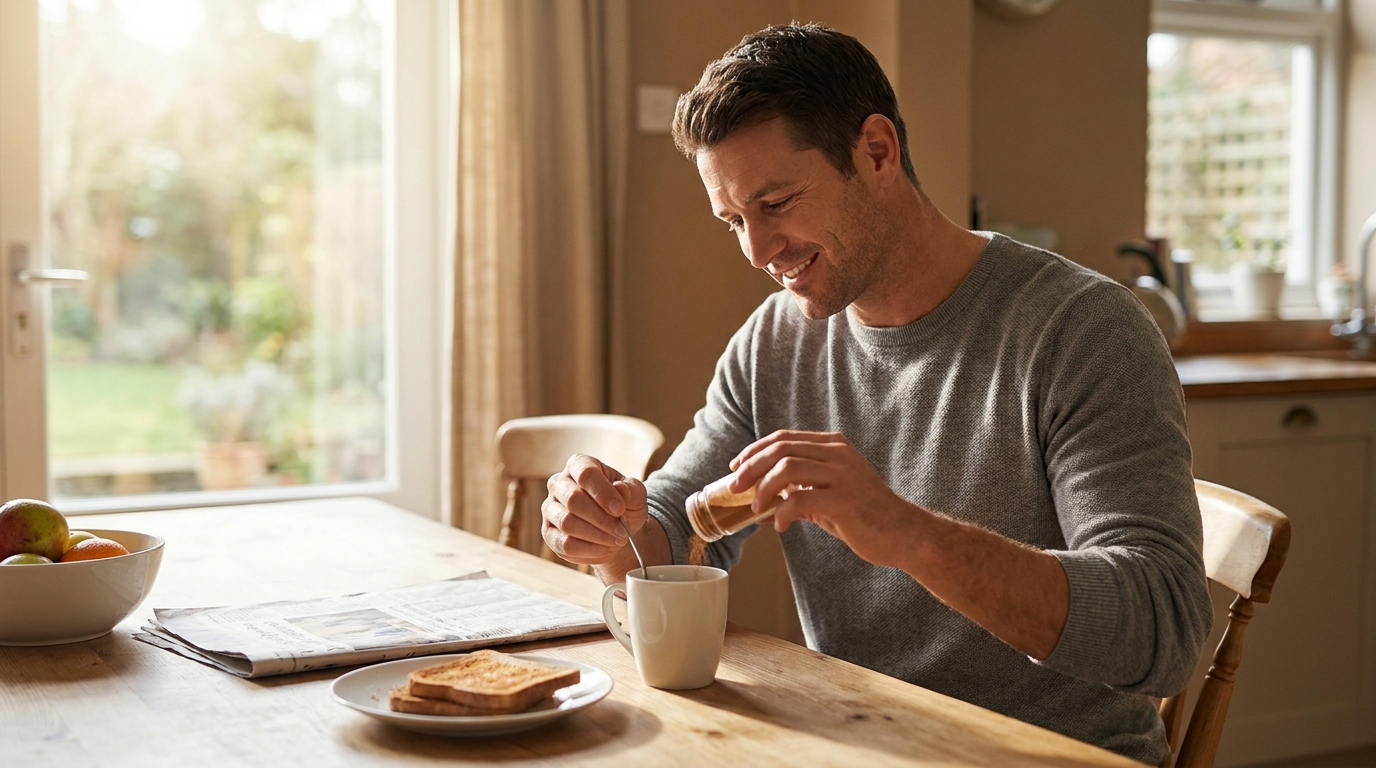
I did not just throw cinnamon on everything and hope for the best. For six weeks, I added half a teaspoon of Ceylon cinnamon to my breakfast every morning. Sometimes in oatmeal. Sometimes in a smoothie. Sometimes just stirred into my coffee with a bit of almond milk. I kept everything else in my diet exactly the same.
The first two weeks — honestly — nothing noticeable. I started to feel like I had made a mistake.
But around week three, something shifted. The post-lunch slump was lighter. Not gone, but less heavy. I was not reaching for something sweet at 3pm the way I usually did. I kept going.
By week six, it felt consistent enough to be real. My cravings were easier to resist — not because I had more willpower, but because the urge was genuinely less strong. And that tracks with everything I learned about why cravings happen in the first place. I wrote about that in detail in How to Reduce Sugar Cravings Naturally.
How Much Cinnamon for Blood Sugar: The Right Amount
Most studies that showed blood sugar benefits used between one and three grams of cinnamon per day. One gram is roughly half a teaspoon. So half a teaspoon to a teaspoon per day appears to be a reasonable range.
More is not necessarily better. Your liver will thank you for not going overboard. And the effect does not seem to scale — doubling the dose does not double the benefit. I settled on half a teaspoon of Ceylon cinnamon every morning. Sustainable, safe, and easy to stick to.
Cinnamon works best when the foundation is solid. What you eat still matters — a lot. I covered the food side in detail in Best Foods to Control Blood Sugar.
What I Combined With Cinnamon for Better Results
Cinnamon did not work in isolation for me. I was paying close attention to meal timing. I had cut most refined carbs. I was walking twenty minutes after dinner most nights. And I was managing stress better than the year before — stress is a sneaky one that most people underestimate. I wrote about exactly how it affects blood sugar in How Stress Raises Blood Sugar.
Something that genuinely helped me alongside all of this was Sugar Defender 24 — I was skeptical at first, but after a few weeks I noticed my cravings were much easier to manage and my energy through the day felt more even.
The combination of consistent habits plus a few targeted supports made a real difference. Cinnamon was one piece. Not the hero — but a real contributor.
Practical Ways to Add Cinnamon to Your Day
The simplest way is in your morning coffee or tea. Half a teaspoon stirred in directly, or added to the grounds before brewing. You barely taste it after a few days — it just becomes part of the flavor.
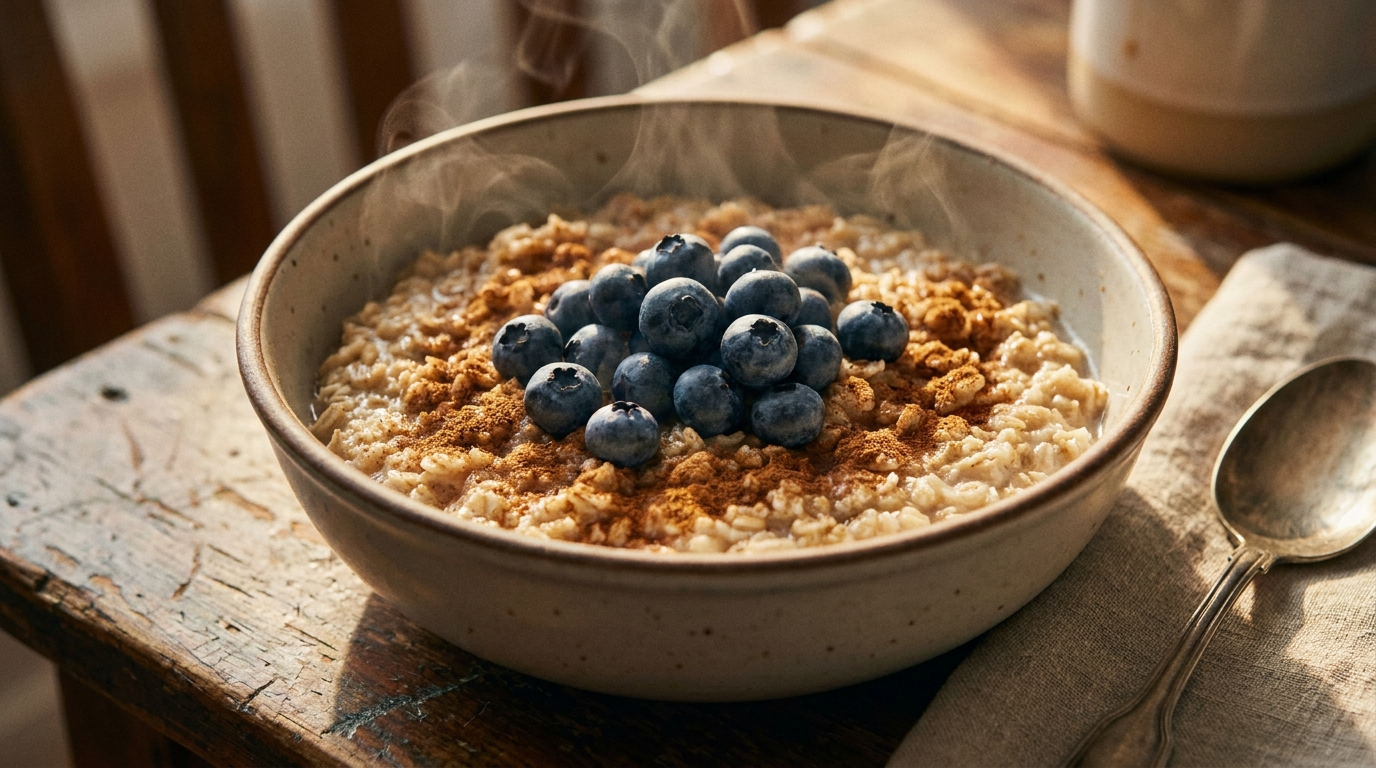
Oatmeal is another easy one. Cinnamon and oats are a natural combination, and oats already slow glucose absorption on their own, so cinnamon adds another layer of blood sugar support. Some people add it to smoothies — it blends in completely if you have strong flavors like banana or cocoa.
One thing I would avoid: high-dose cinnamon supplements without talking to a doctor first, especially if you are on any medication. Cinnamon can interact with diabetes medications and blood thinners. Start small and see how your body responds.
What I Would Tell Someone Starting Out
Do not expect cinnamon to be a shortcut. It is not. But do not dismiss it either, the way I did for far too long. The mechanism is real. The risk is low. And the habit is genuinely easy to build.
Be consistent. Half a teaspoon of cinnamon every morning for at least six weeks before you decide whether it is doing anything for your blood sugar. Two weeks is not enough. Your body needs time.
Use Ceylon, not Cassia, if you are making this a daily habit. Track how you feel — your energy, your cravings, your mental clarity in the afternoon. Those are real signals even when they are hard to measure precisely.
I have kept cinnamon in my routine for over a year now. Half a teaspoon in my morning coffee. That is it. And my afternoons are genuinely calmer than they used to be. I will take that.
Also Recommended: Support Your Health Naturally
Many people looking to manage blood sugar also love the Medicinal Garden Kit — a collection of powerful healing plants you can grow at home for natural wellness support.
Keep Reading
👉 How to Lower Blood Sugar Naturally: What Finally Worked for Me
👉 Best Supplements for Blood Sugar Control: What the Research Says