
Nobody handed me a list of foods that actually work for blood sugar. I had to figure it out myself — through trial, error, and a lot of frustrating afternoons where I did everything I thought was right and still felt the familiar crash around 3pm. This is what I eventually learned, and what I actually eat now versus what I stopped eating.
What I Stopped Eating First
White bread was the first to go. Not because anyone told me to, but because I started paying attention to how I felt after eating it versus how I felt after eating something else. The post-sandwich afternoon fog was too consistent to ignore once I was looking for it. The same pattern showed up with white rice, regular pasta, and anything made with refined flour.
Sweetened drinks were harder to give up than I expected. I was not a soda person, but I was a flavored coffee person, a juice-in-the-morning person, and occasional sports drink person after exercise. All of these were spiking my blood sugar in ways I had not accounted for because I did not think of them as sugar in the same way I thought of dessert.
Breakfast cereals — even the ones marketed as healthy — were a revelation. I spent about fifteen minutes one morning reading the nutrition labels of everything in my pantry and realized that several items I considered reasonable breakfast choices were essentially sugar delivery systems with added vitamins. The glycemic load of a typical bowl of commercial cereal, even whole grain varieties with added fiber, is substantial.
What I Eat for Breakfast Now
Eggs most mornings. Two or three, prepared however I feel like that day. Sometimes with vegetables, sometimes with a small amount of whole grain toast, sometimes alone. The protein content stabilizes blood sugar in a way that carbohydrate-centered breakfasts simply do not, and the effect carries through until lunch in a way I can consistently feel.
Greek yogurt on days when I want something lighter. Full-fat, plain, without flavoring. The flavored versions often contain significant added sugar. I add nuts and sometimes berries. The protein and fat in the yogurt, combined with the fiber in the berries, produces a very different blood sugar response than the flavored commercial versions.
Steel-cut oats occasionally, prepared with more protein alongside them. Oats have a lower glycemic index than most breakfast cereals, and the steel-cut version digests more slowly than rolled or instant. But I learned that oats alone, without protein, still produce a noticeable mid-morning energy dip for me. Adding eggs or nuts alongside them eliminated that.
The Foods That Made the Biggest Difference
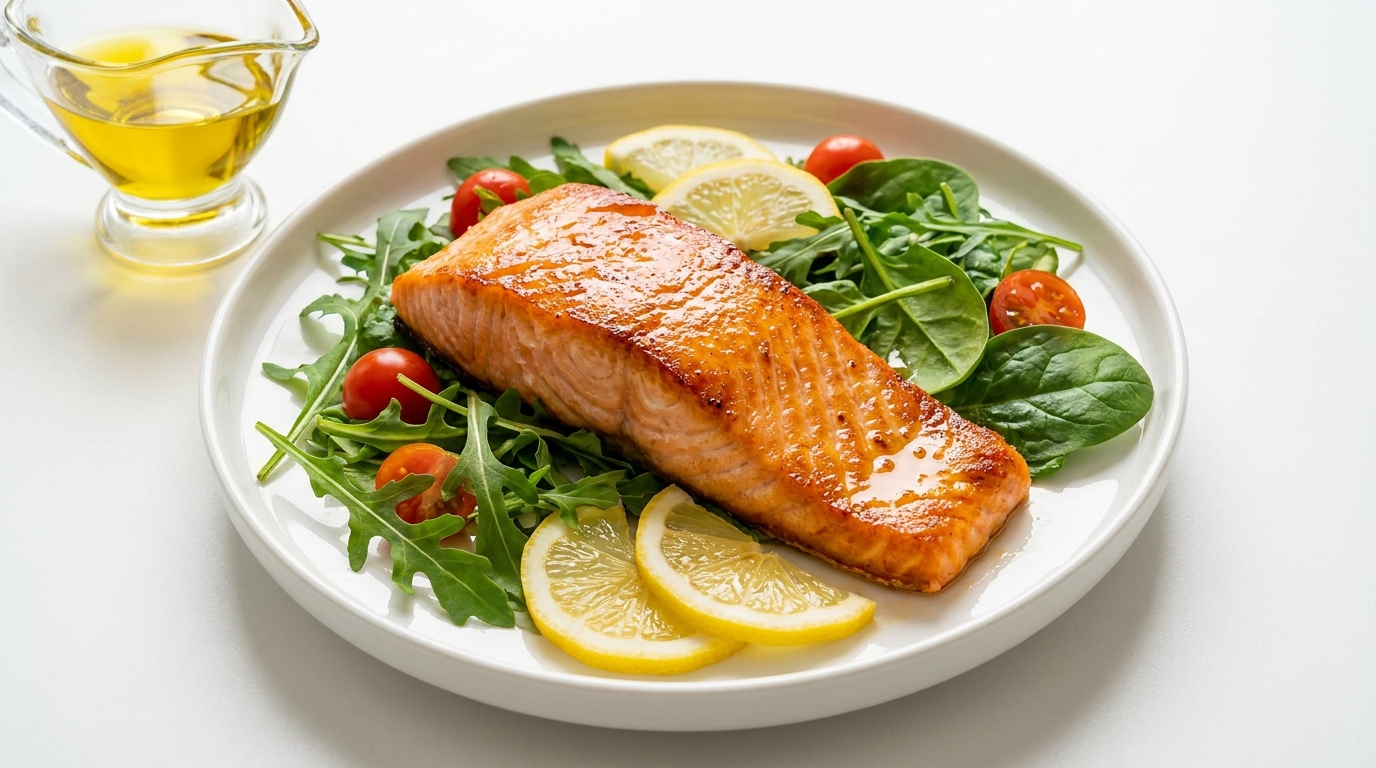
Non-starchy vegetables became the foundation of every meal rather than a side consideration. Leafy greens, broccoli, cauliflower, zucchini, peppers, cucumbers — these have minimal impact on blood sugar and add fiber that slows the absorption of everything else in the meal. I started building plates around vegetables rather than around carbohydrates, with protein added deliberately and carbohydrates added in smaller amounts than before.
Legumes surprised me. Lentils, chickpeas, and black beans have a significantly lower glycemic impact than I expected given their carbohydrate content. The combination of protein, fiber, and complex carbohydrates in legumes produces a slow, sustained glucose release rather than a spike. They became a regular part of my lunch rotation and my blood sugar numbers reflected it.
Nuts became my default snack. Almonds, walnuts, and pistachios have almost no impact on blood sugar and provide fat and protein that extend satiety. The research on nuts and blood sugar is consistently positive, and practically speaking, having nuts available eliminated the moments when I would otherwise reach for something that would spike my glucose.
Berries replaced other fruit for me most of the time. Not because other fruit is bad, but because berries have a lower glycemic impact than most tropical or high-sugar fruits, and they are high in antioxidants that have specific benefits for metabolic health. Blueberries in particular have research supporting their role in improving insulin sensitivity.
How Meal Order Changed Everything
This was the change I was most skeptical about: eating vegetables and protein before carbohydrates at meals. The research on this is consistent enough that I eventually tried it, and the effect was real and noticeable. Eating in this sequence — vegetables first, then protein, then carbohydrates — significantly reduces the post-meal glucose spike compared to eating in the typical Western pattern of mixing everything or eating carbohydrates first.
The mechanism involves the physical presence of food in the stomach slowing gastric emptying, as well as the protein and fiber triggering satiety hormones that moderate the glucose response. In practice, it means starting with a salad or cooked vegetables, moving to the protein on the plate, and eating the rice or bread last. Small adjustment, meaningful result.
I also found that adding apple cider vinegar — diluted in water before meals — produced a consistent reduction in post-meal glucose readings on days I used it. The research on this is mixed but the effect in my own experience was reliable enough to make it a regular habit. It is not a dramatic intervention, but consistent small reductions add up over time.
The Supplement That Helped Fill the Gaps
Alongside dietary changes, I started using Sugar Defender 24 to address some of the nutritional factors that affect blood sugar metabolism. The chromium and berberine components were specifically what I was looking for based on my research. I noticed the biggest difference in afternoon energy stability, which had been inconsistent before I made these changes.
What Consistent Eating Looks Like Now

My diet now is not restrictive in the way that word usually implies. I eat a wide variety of foods. I have refined carbohydrates occasionally. I have dessert. What changed is the proportion and the awareness — protein and vegetables are the foundation of every meal, refined carbohydrates are a smaller component rather than the center, and I pay attention to how combinations affect me rather than treating all foods as equivalent.
The energy change was the thing I did not expect. I had assumed stable blood sugar would affect my numbers but not necessarily how I felt. I was wrong. The elimination of the post-meal crashes, the mid-afternoon fog, the late-night sugar cravings — these changes happened as a direct result of managing blood sugar through food, and they have made the dietary changes feel like a gain rather than a restriction.
Also Recommended: Support Your Health Naturally
Many people looking to manage blood sugar also love the Medicinal Garden Kit — a collection of powerful healing plants you can grow at home for natural wellness support.
Keep Reading
👉 How to Lower Blood Sugar Naturally: What Finally Worked for Me
👉 Morning Routines That Help Balance Blood Sugar: What I Do Before 8am
👉 The Truth About Sugar and Your Health: What I Wish I Had Known Sooner