Is banana good for blood sugar? I ate a banana every morning for almost a year because it felt like the responsible healthy choice. It is natural, it has potassium, everyone seems to agree it is good for you. It took me longer than it should have to question whether it was actually working for my blood sugar — and when I finally did, the answer was more complicated than yes or no.
Bananas are not poison. But they are also not neutral when blood sugar regulation is already struggling. The details matter enormously here — ripeness, size, timing, what you eat alongside them. Understanding those details changed how I think about fruit entirely, not just bananas.
This is what I actually found after paying attention, adjusting, and being honest with myself about the results.
What Is Actually in a Banana
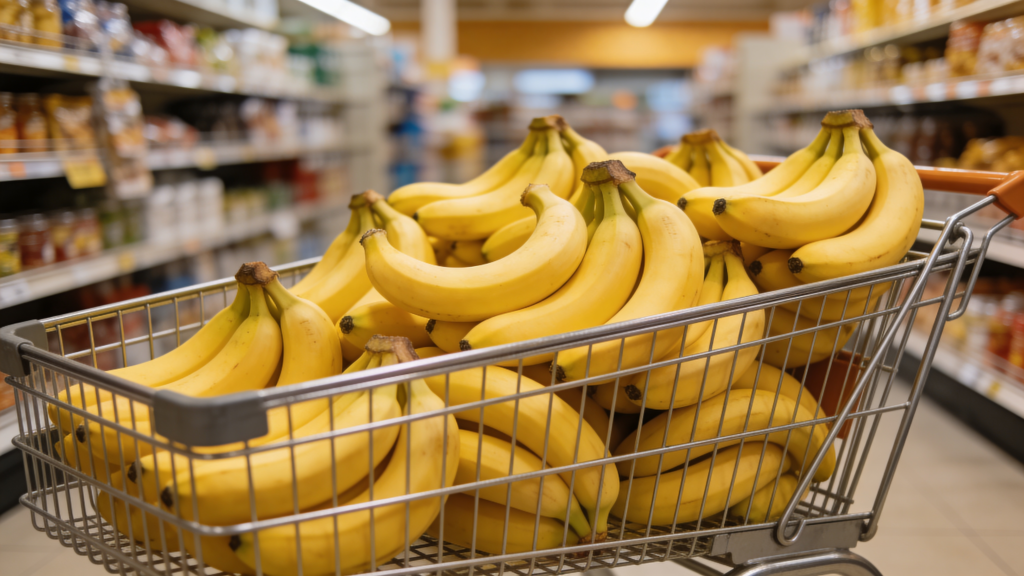
A medium banana contains roughly 27 grams of carbohydrates and about 14 grams of sugar. It also contains 3 grams of fiber, some potassium, vitamin B6, and vitamin C. The fiber is the important number for blood sugar — fiber slows glucose absorption and reduces the speed of the spike after eating.
The glycemic index of a banana is around 51, which places it in the medium range. But glycemic index is measured under controlled conditions with a specific portion size. In reality, most people eat larger bananas than the standard test portion, and they eat them in contexts — morning on an empty stomach, as a standalone snack — that affect how the body responds.
The glycemic load — which accounts for both the glycemic index and the actual amount of carbohydrate in a realistic serving — is a more useful number. For a medium banana it sits around 13 to 15. That is not extreme, but it is not low either. For someone with insulin resistance or prediabetes, 15 grams of glycemic load from a single piece of fruit before anything else in the morning is worth thinking about. So is banana good for blood sugar in this case? The answer is nuanced.
Ripeness Changes Everything
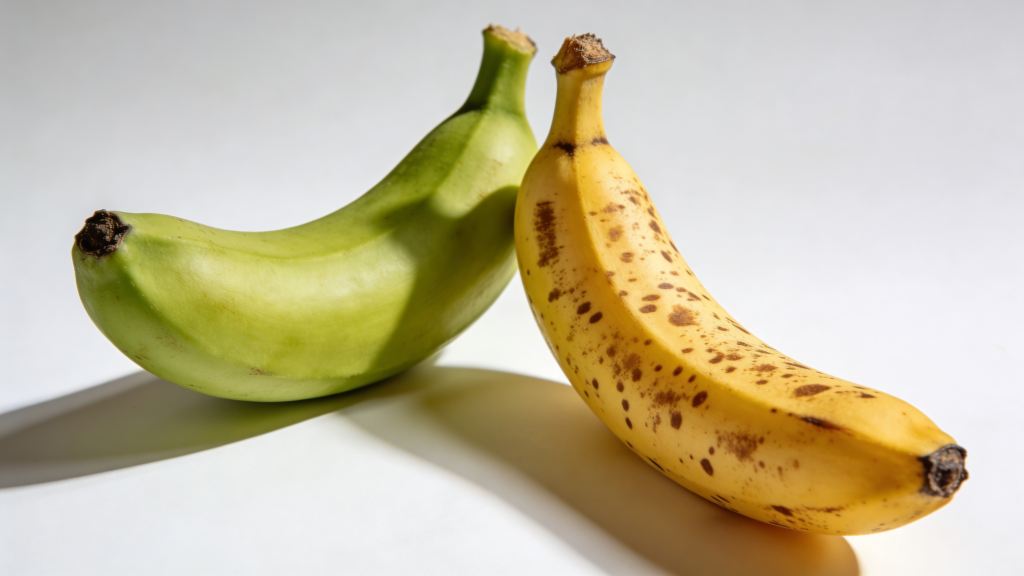
This is the part most people do not know. A green or slightly yellow banana has a significantly lower glycemic index than a fully ripe or spotted banana. The reason is starch. Unripe bananas contain resistant starch — a type of carbohydrate that the small intestine cannot fully digest. It passes through more slowly, feeds beneficial gut bacteria, and produces a much smaller blood sugar spike.
As a banana ripens, that resistant starch converts to simple sugars. A spotty, very ripe banana is essentially a different food from a firm, slightly green one — similar calorie count, similar appearance, but a substantially different impact on blood sugar. The sweeter it tastes, the more the starch has already converted.
I switched from ripe to firm bananas when I was testing this. The difference in how I felt an hour afterward was noticeable. Not dramatic, but consistent. The afternoon energy dip I used to get after a ripe banana breakfast was milder with the firmer version. That was enough to keep the habit going differently rather than abandoning it entirely.
How Many Bananas Are Actually Safe
For most people managing blood sugar, half a medium banana is a more reasonable portion than a whole one. This sounds like an unsatisfying answer but it reflects reality. Half a banana with something else — Greek yogurt, a handful of nuts, some eggs — is a very different metabolic event than a whole ripe banana eaten alone on an empty stomach.
One small or medium banana per day is generally considered acceptable for people with well-controlled type 2 diabetes or prediabetes, provided it is eaten with protein or fat and not as the sole component of a meal. Two large ripe bananas in the same day is a significant carbohydrate load that most people with blood sugar issues would feel.
The honest answer to how many is safe is: it depends on your individual response, the ripeness of the banana, what you eat with it, and where your blood sugar is starting from. If you have access to a continuous glucose monitor even temporarily, testing your own response to a banana under different conditions is far more useful than any general guideline. I borrowed one for two weeks and learned more about my own metabolism from that experience than from months of reading.
Timing and Pairing Matter More Than the Banana Itself
A banana eaten alone first thing in the morning hits a system with naturally lower insulin sensitivity — the dawn phenomenon means blood sugar is already slightly elevated before you eat anything. Adding a medium-to-large ripe banana to that situation creates a more significant spike than the same banana eaten at noon after a protein-based lunch.
Pairing changes the outcome considerably. Banana with almond butter slows absorption. Banana blended into a smoothie with protein powder and Greek yogurt behaves differently than banana eaten on its own. The fat and protein create a buffer that extends digestion and flattens the glucose response. This is the same principle that applies to all carbohydrates — as explained in more detail in the piece on the best breakfast choices for diabetics.
Eating banana after rather than before physical activity also matters. Exercise depletes muscle glycogen stores, which means the glucose from the banana gets used more efficiently rather than staying in the bloodstream. A banana as a post-walk snack is metabolically different from the same banana as a pre-walk or pre-work snack.
A banana is not the enemy. But how ripe it is, when you eat it, and what you eat with it changes everything.
Learn More About Sugar Defender 24 →
Better Fruit Options for Blood Sugar
Bananas sit in the middle of the fruit spectrum for blood sugar impact. There are fruits that are significantly better choices for anyone managing glucose, and knowing what they are makes it easier to make swaps without feeling deprived.
Berries are consistently the best option — blueberries, raspberries, strawberries, and blackberries are low in sugar, high in fiber, and packed with antioxidants that have their own beneficial effects on insulin sensitivity. A cup of raspberries has roughly 7 grams of sugar compared to 14 in a medium banana. I eat berries almost daily now and they became a complete replacement for the banana habit I had before.
Apples and pears with their skin on are moderate choices — better than banana because the fiber content is higher relative to sugar. Cherries, plums, and peaches are also reasonable in moderate amounts. The fruits to be more careful with are the high-sugar ones: grapes, mangoes, pineapple, and watermelon all have a more significant impact on blood sugar than their healthy reputation might suggest.
None of this means eliminating fruit. Fruit contains vitamins, fiber, and compounds that processed food cannot replicate. The question is not whether to eat fruit but which ones, how much, and in what context. That is a much more useful frame than simply asking whether a banana is good or bad.
What I Actually Do Now
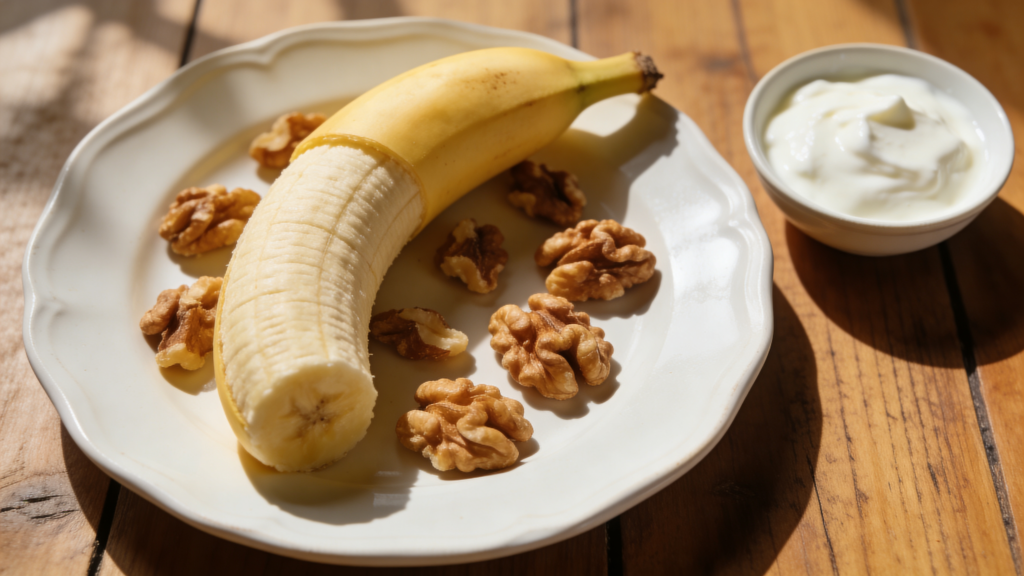
I still eat bananas occasionally. Firm ones, not ripe ones. Half at a time, usually. Always with something else — a spoonful of almond butter, some walnuts, alongside eggs. Never alone first thing in the morning.
This is not a dramatic restriction. It is a small adjustment that changed the outcome. I did not give up bananas. I changed how I ate them. The daily ripe banana on an empty stomach that I had treated as a health habit for a year was quietly contributing to the mid-morning energy crashes I was experiencing every day. Fixing that one thing did not fix everything, but it removed a consistent drag on how I felt before noon.
Something that helped me manage the broader blood sugar variability alongside these food changes was Sugar Defender 24. The ingredients — berberine, chromium, cinnamon extract — support the mechanisms that regulate how glucose is processed after eating. Not a replacement for food choices, but a useful addition when the food changes alone were not enough to fully stabilize things.
The Simple Version
Is banana good for blood sugar? A small, firm, slightly underripe banana eaten with protein or fat, not on an empty stomach, once a day — that is a reasonable choice for most people managing blood sugar. A large, very ripe banana eaten alone first thing in the morning, daily — that is a pattern worth reconsidering.
The fruit is not the problem. The context is. And changing the context — ripeness, portion, pairing, timing — can make a meaningful difference without requiring you to give up something you actually enjoy eating.
If you are looking at your overall diet for blood sugar management, the full list of foods that help and hurt blood sugar is a more complete picture. And if mornings are when you notice the most variability, the morning routines for blood sugar balance address the full picture of what happens before noon.
Also Recommended: Support Your Health Naturally
Many people looking to manage blood sugar also love the Medicinal Garden Kit — a collection of powerful healing plants you can grow at home for natural wellness support.